Teaching the Letter W to Toddlers and Preschoolers
Letter W sounds are fun to teach with easy activities, W words, books, crafts, and printables for toddlers and preschoolers. From water and whales to wagons and windows, the letter W gives young learners lots of familiar words they can hear, say, and explore through playful everyday moments at home. Learning the letter W can feel natural when it is tied to simple routines, hands-on play, and words children already know. With a mix of fun books, easy crafts, and real-life practice, toddlers and preschoolers can begin building confidence with the letter W in a gentle and meaningful way.
Teaching letter W sounds is fun with easy activities, W words, books, crafts, and printables for toddlers and preschoolers. From water and whale to wagon and window, the letter W gives young learners lots of simple words they can hear, say, and explore through playful everyday moments at home. Learning the letter W can feel natural when it is tied to simple routines, hands-on play, and words children already know. With a mix of fun books, easy crafts, and real-life practice, toddlers and preschoolers can begin building confidence with the letter W in a gentle and meaningful way.
How to teach W sounds can be simple, playful, and full of real-life learning moments. The letter W shows up in familiar words like water, whale, wagon, and window, making it a fun letter for toddlers and preschoolers to explore.
Teaching the letter W can be a fun and playful part of your homeschool day. The letter W is a wonderful letter for young learners because it appears in so many familiar words like water, whale, wagon, and watch.
For toddlers and preschoolers, learning letters works best when it feels natural, hands-on, and connected to real life. Whether your child is playing with water, pulling a wagon, or looking out the window, there are so many simple ways to bring the letter W to life.
In this post, we’ll look at easy ways to help little learners hear, recognize, and enjoy the letter W through simple words, playful activities, books, and everyday learning at home.
Why Teaching the Letter W Matters
Learning letter sounds is an important first step in early reading. Before children begin reading words on their own, they start noticing that letters have names and sounds.
The letter W is helpful to teach because it gives children practice hearing a strong consonant sound in familiar early learning words. When children begin hearing the sound at the beginning of words like water and wagon, they start building stronger sound recognition and early phonics awareness.
These small connections help make letter learning feel meaningful and memorable.
The Sound of the Letter W
The letter W usually makes the “w” sound in many familiar words.
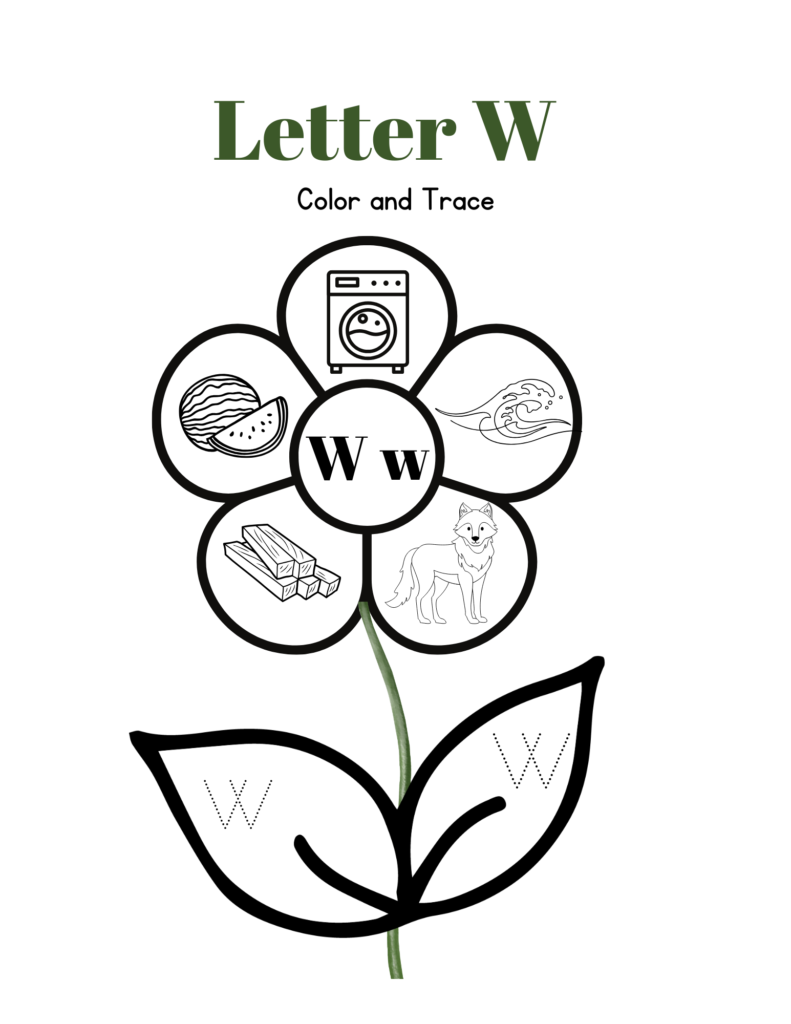
You can hear the letter W sound in words like:
water
whale
wagon
window
watch
web
worm
watermelon
wind
wolf
For toddlers and preschoolers, it helps to focus on just a few simple W words at first, especially words they can picture easily.
Try saying the words slowly:
“W-w-water.”
“W-w-whale.”
“W-w-wagon.”
“W-w-window.”
These simple sound moments can help children begin hearing the sound of the letter W in a fun and relaxed way.
Why Teach the Letter W Through Real-Life Play?
Young children learn best when letters are connected to things they already know. The letter W is a great one to teach because it shows up in weather, toys, food, and everyday routines.
You might naturally use W words while talking about:
water at snack time
a wagon during outdoor play
a window in the house
the wind on a walk
a watch on someone’s wrist
watermelon at lunch or picnic time
When children hear the same beginning sound in playful, familiar settings, they start noticing patterns. That repetition helps the letter W feel easier and more natural to remember.
Instead of making it feel like a formal lesson, you can keep it light by using books, conversation, crafts, and simple daily moments.
Easy Letter W Words for Toddlers and Preschoolers
When introducing a new letter, it helps to choose words that are simple, visual, and easy to repeat.
Here are some easy letter W words for preschoolers:
water
whale
wagon
window
watch
web
worm
watermelon
wind
wolf
You do not need to teach all of these at once. Pick just a few and repeat them naturally throughout the week.
You might say:
“Drink your water.”
“Look at the window.”
“Let’s pull the wagon.”
“The wind is blowing.”
Those little moments of repetition can help children hear and remember the beginning sound more easily.
Fun Letter W Activities for Toddlers and Preschoolers
Hands-on play is one of the best ways to help little learners remember a new letter sound.
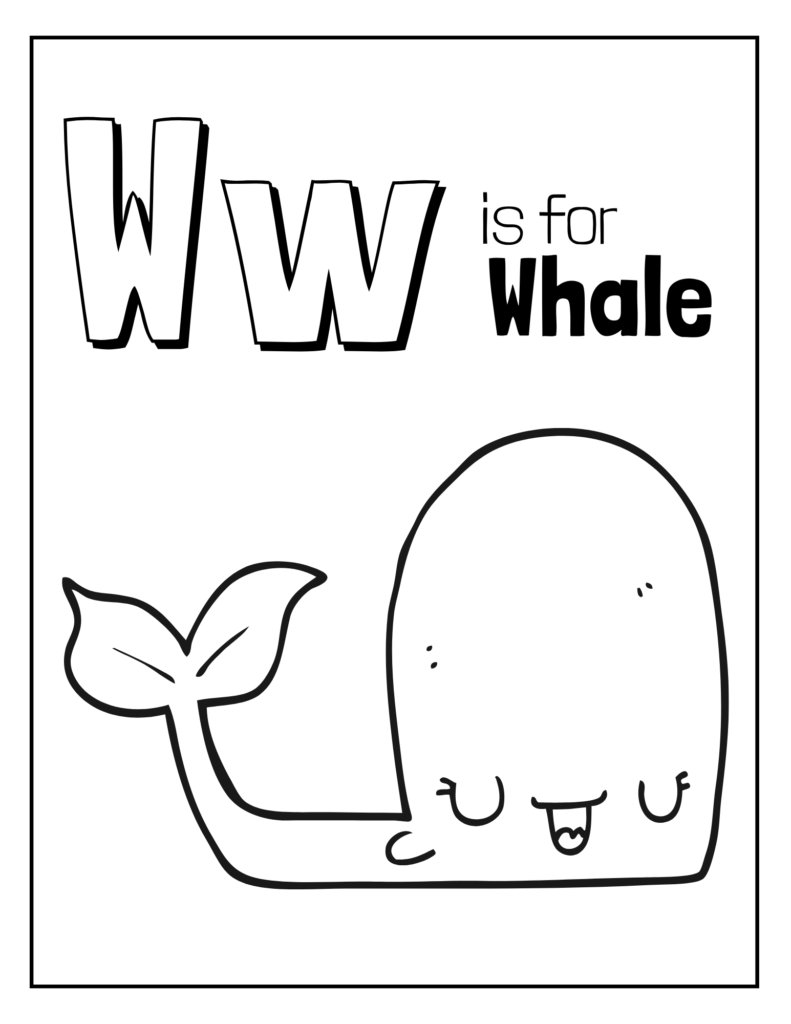
W Is for Whale Craft
Make a simple whale craft using paper, crayons, or paint. Talk about the word whale while your child creates.
Water Play
Let your child splash, pour, or scoop during water play. This is a fun and easy way to reinforce the word water.
Wagon Pretend Play
Use a toy wagon or pretend wagon during playtime and repeat the word wagon as your child plays.
Window Art
Let your child draw raindrops, sunshine, or shapes for a pretend window scene. This is a simple way to reinforce a familiar W word.
W Is for Worm Craft
Make a paper worm or use yarn to create a wiggly worm craft. This can make the letter W feel extra fun and memorable.
W Letter Tracing
Practice tracing uppercase and lowercase W with crayons, markers, or fingers in sand, salt, or shaving cream.
Songs and Rhymes for the Letter W
Songs and rhymes help children hear a letter sound again and again in a playful way.
Try this simple rhyme:
W says w, W says w,
Water and wagon, whale does too.
Or this one:
W is for water we splash each day,
W is for wagon we pull and play,
W is for whale swimming in the sea,
W is for window we look through happily.
These short rhymes can make the letter W feel more familiar and easier to remember.
Books That Reinforce Learning the Letter W
Reading together is a simple and meaningful way to reinforce learning the letter W. Books that include clear letter W words like water, whale, wolf, and web can help toddlers and preschoolers hear the sound of W in a fun and natural way. As you read, pause to point out W words, repeat the beginning sound, and invite your child to listen for words that start with the letter W. These little moments can help build early sound recognition while making storytime even more engaging.
Here are five books that can work well for reinforcing the letter W:
Well, Well, Whale!
A playful picture book that helps reinforce the letter W through the repeated word whale in a fun and memorable way.
The Watermelon Seed
A fun and engaging story book that helps reinforce the letter W through the repeated word watermelon.
Wemberly Worried
This gentle picture book helps reinforce the letter W through repeated W words in a preschool-friendly way.
Wolf in the Snow
A beautiful story that helps connect the letter W to the word wolf in an engaging setting.
My “w” Sound Box
A letter-focused sound book that helps toddlers and preschoolers hear and practice simple W words in an easy, kid-friendly way.
FAQ: Teaching the Letter W at Home
How do I teach the letter W at home?
You can teach the letter W at home through books, songs, crafts, pretend play, and simple daily routines. The key is to keep it fun and use a few easy W words often.
What sound does the letter W make?
The letter W usually makes the “w” sound, like in water, whale, wagon, and window.
What are some easy letter W words to teach first?
Some easy letter W words include water, whale, wagon, window, watch, web, worm, watermelon, and wind.
Is the letter W hard for preschoolers to learn?
The letter W can take a little practice because it is not used as often as some other letters, but preschoolers can learn it well when it is taught with simple, playful examples.
What are fun ways to teach the letter W to toddlers?
Fun ways to teach the letter W include making a whale craft, doing water play, playing with a wagon, creating a worm craft, or looking out the window.
Do I need worksheets to teach the letter W at home?
No, worksheets are not required. Young children often learn best through play, books, songs, movement, and conversation. Printables can be a helpful extra if you want them.
How long should a letter W lesson be?
Short lessons are usually best. Even 5 to 15 minutes of playful learning can be enough for toddlers and preschoolers.
What age should children learn the letter W?
Many children begin learning letters between ages 2 and 4. At this stage, the goal is to help them become familiar with the letter shape, sound, and a few simple words.
How can I help my child remember the letter W?
Repeat a few easy W words often, read books with W words, do hands-on crafts, and point out the letter W in books and printables.
Is it normal for my child to mix up letter sounds?
Yes, that is completely normal. Toddlers and preschoolers are still learning how letters and sounds work, so gentle repetition and playful practice are best.
What are the best everyday ways to reinforce the letter W?
You can reinforce the letter W by talking about water, pulling a wagon, looking out the window, or eating watermelon together.
Final Thoughts on Teaching the Letter W at Home
Teaching the letter W at home can be simple, playful, and full of meaningful little moments. From water and whales to wagons and windows, there are many fun ways to help toddlers and preschoolers connect with the letter W in everyday life.
By using books, hands-on activities, easy words, and playful repetition, you can help your child grow more confident with the letter W without making learning feel overwhelming.
Keep it light, keep it fun, and let learning happen naturally through the little moments you already share each day.
If you like this blog post, make sure to check our blog post for letter e here!