Teaching Letter E Sounds to Toddlers and Preschoolers
Teaching Letter E Sounds
Teaching letter E sounds can be such a fun and meaningful part of your homeschool day. The letter E is a great next step for toddlers and preschoolers because it introduces a vowel sound they will hear often in everyday words. From elephant and egg to elbow and envelope, the letter E gives children plenty of opportunities to hear and practice beginning sounds.
Teaching letter E sounds works best when it feels natural and playful. With simple routines, hands-on activities, books, and conversation, children can begin to recognize the letter E sound without feeling overwhelmed.
Teaching letter E sounds doesn’t need to feel like a formal lesson. It can happen through the little moments you already share each day.
What Sound Does the Letter E Make
When teaching letter E sounds, it helps to start with the short E sound, which sounds like “eh,” as in egg.
You can introduce the sound with simple examples like:
egg
elephant
elbow
engine
envelope
exit
elf
edge
elevator
enter
Start with just a few words that are easy for your child to picture.
Try saying the sound slowly:
“E is for egg.”
“E is for elephant.”
“E is for elbow.”
“E is for elf.”
These small, repeated moments help children hear and remember the letter E sound.
Teaching Letter E Sounds Through Real-Life Play
Teaching letter E sounds becomes easier when children hear it in their everyday world. The more they hear it in real situations, the more natural it feels.
You might point out:
an egg at breakfast
an elephant in a book or toy
an elbow while getting dressed
an envelope in the mail
an engine sound from a toy car
When teaching letter E sounds through real-life play, repetition happens naturally without pressure.
Keep it simple, playful, and part of your daily routine.
Easy Letter E Words for Teaching Letter E Sounds
When teaching letter E sounds, choose words that are simple and easy to repeat.
Here are some great examples:
egg
elephant
elbow
engine
envelope
exit
elf
edge
elevator
enter
You don’t need to use all of these at once. Pick a few and repeat them throughout the day.
You might say:
“E is for egg.”
“Look at the elephant.”
“Can you touch your elbow?”
“That’s an envelope.”
These little repetitions help the sound stick.

Fun Activities for Teaching Letter E Sounds
E Is for Elephant Craft
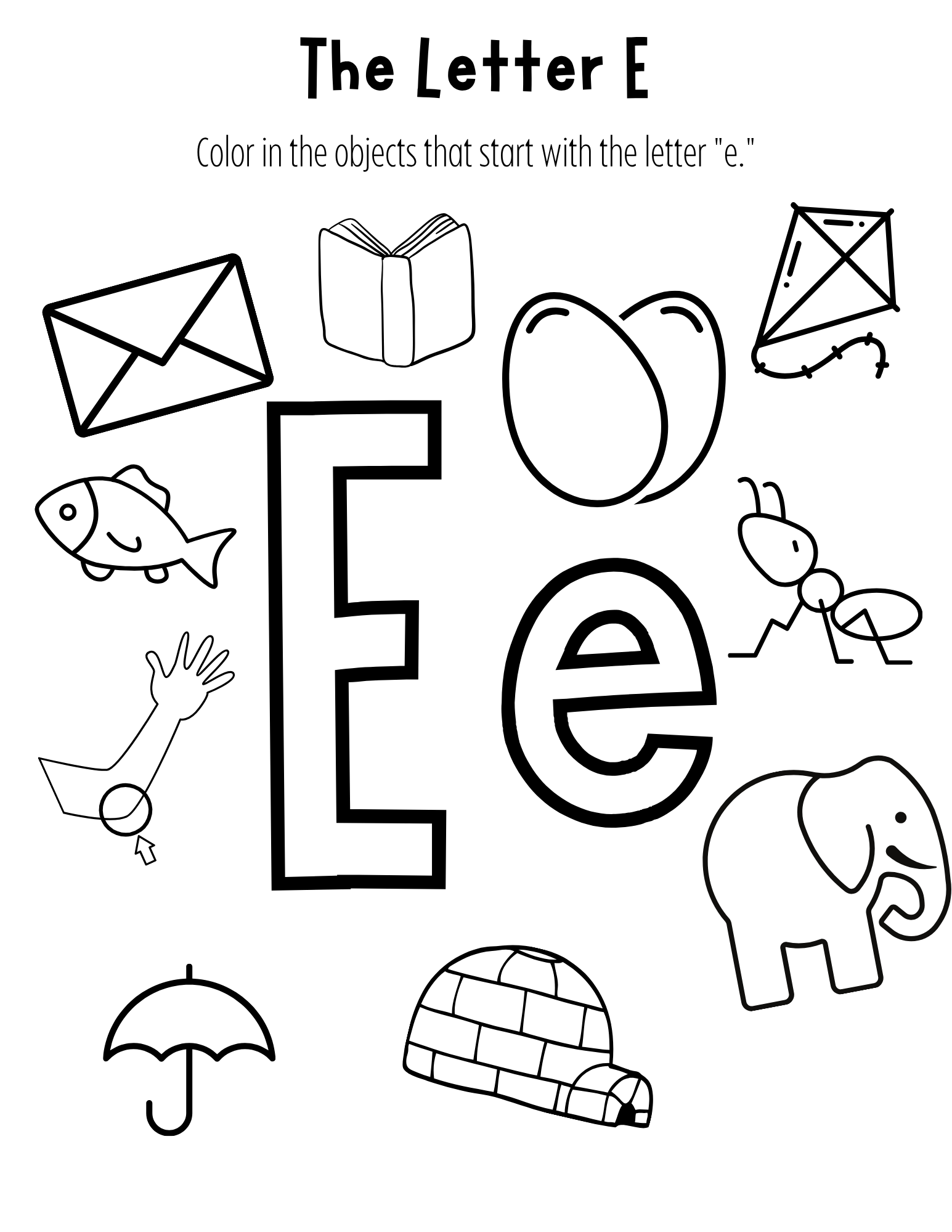
Let your child color or create a simple elephant while repeating “E is for elephant.”
Egg Hunt Activity
Hide plastic eggs and say the E sound each time one is found.
Elbow Movement Game
Have your child point to or move their elbows while saying the sound.
Letter E Sensory Tray
Practice tracing the letter E in sand, rice, or shaving cream.
Engine Sound Play
Make engine noises with toy cars and emphasize the E sound.
E Sound Hunt
Look around your home for items that start with the letter E.
Songs and Rhymes for Teaching Letter E Sounds
Songs and rhymes make teaching letter E sounds more memorable and fun.
Try this simple rhyme:
E is for egg, smooth and white,
E is for elephant big and bright.
Or this one:
E is for elf, small and quick,
E is for engine, click click click!
These short rhymes help children connect with the sound in a playful way.
Books That Reinforce Teaching Letter E Sounds
Elmer by David McKee
A colorful story about a unique elephant that reinforces the E sound.
Egg by Kevin Henkes
A simple and engaging story that highlights the word egg.
The Enormous Turnip by Aleksei Tolstoy
A classic tale with repeated sounds and simple language.
Ella the Elegant Elephant by Carmela D’Amico
A fun story filled with E words like Ella and elephant.
Press Here by Hervé Tullet
An interactive book that introduces simple words and playful sounds.
FAQ About Teaching Letter E Sounds
How do I teach my child the letter E sound?
Use repetition through books, play, and everyday conversation while pointing out E words.
What sound does the letter E make?
It makes the short “eh” sound, like in egg.
What are easy ways to practice letter E sounds?
Use simple words, hands-on activities, and real-life examples.
Is the letter E hard for toddlers to learn?
Vowel sounds can take a little practice, but repetition makes it easier.
Do I need worksheets to teach letter E sounds?
No, play-based learning works very well, with printables as an optional extra.
Final Thoughts on Teaching Letter E Sounds
Teaching letter E sounds can be simple, playful, and full of meaningful moments. From eggs and elephants to elbows and engines, there are so many easy ways to bring this letter into your child’s day.
By using books, activities, and everyday conversation, you can help your child feel confident with the letter E without making learning feel overwhelming.
Keep it light, keep it fun, and let learning happen naturally through the little moments you already share each day.
If you like this post, make sure to check out teaching letter d sounds here!
Get our free tracing worksheets here!