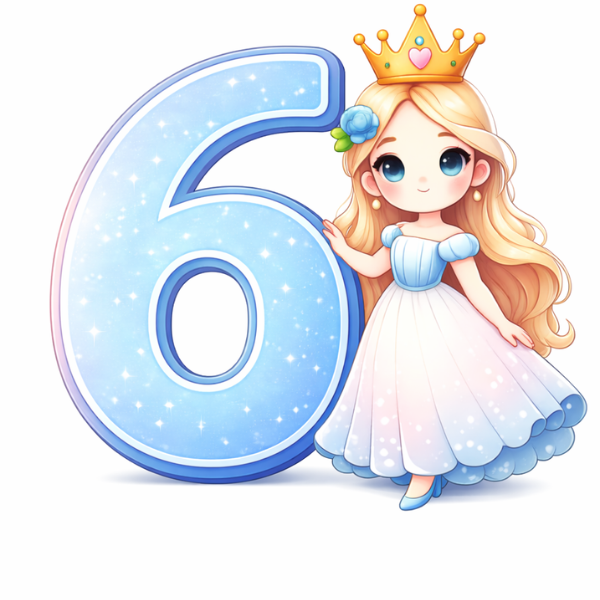
Teaching Number 6 Sounds
Teaching number 6 sounds can be a fun and playful part of your homeschool day, using simple activities, counting words, books, and everyday moments to help young learners connect with the number 6. From six stars and six blocks to six ducks and six balloons, the number 6 gives young learners simple ways to hear, say, and explore early number concepts through playful everyday moments at home. Learning the number 6 can feel natural when it is tied to simple routines, hands-on play, and objects children already know. With a mix of fun books, easy crafts, and real-life practice, toddlers and preschoolers can begin building confidence with the number 6 in a gentle and meaningful way.
Teaching number 6 sounds is fun with easy activities, counting words, books, crafts, and printables for toddlers and preschoolers. From six stars and six blocks to six ducks and six balloons, the number 6 gives young learners simple ways to hear, say, and explore early number concepts through playful everyday moments at home. Learning the number 6 can feel natural when it is tied to simple routines, hands-on play, and objects children already know. With a mix of fun books, easy crafts, and real-life practice, toddlers and preschoolers can begin building confidence with the number 6 in a gentle and meaningful way.
Number 6 sounds are fun to teach with easy activities, counting words, books, crafts, and printables for toddlers and preschoolers. From six stars and six blocks to six ducks and six balloons, the number 6 gives young learners simple ways to hear, say, and explore early number concepts through playful everyday moments at home. Learning the number 6 can feel natural when it is tied to simple routines, hands-on play, and objects children already know. With a mix of fun books, easy crafts, and real-life practice, toddlers and preschoolers can begin building confidence with the number 6 in a gentle and meaningful way.
Teaching kids to say the number 6 can be simple, playful, and full of real-life learning moments. The number 6 shows up in familiar ways throughout the day, making it a fun next step for toddlers and preschoolers.
Teaching the number 6 can be a fun and playful part of your homeschool day. The number 6 is wonderful for young learners because it helps children begin noticing small groups of six, saying the word six, and connecting the spoken number to the written numeral 6.
For toddlers and preschoolers, learning numbers works best when it feels natural, hands-on, and connected to real life. Whether your child is holding six toys, seeing six birds outside, or picking six crackers for snack time, there are so many simple ways to bring the number 6 to life.
In this post, we’ll look at easy ways to help little learners hear, recognize, and enjoy the number 6 through simple words, playful activities, books, and everyday learning at home.
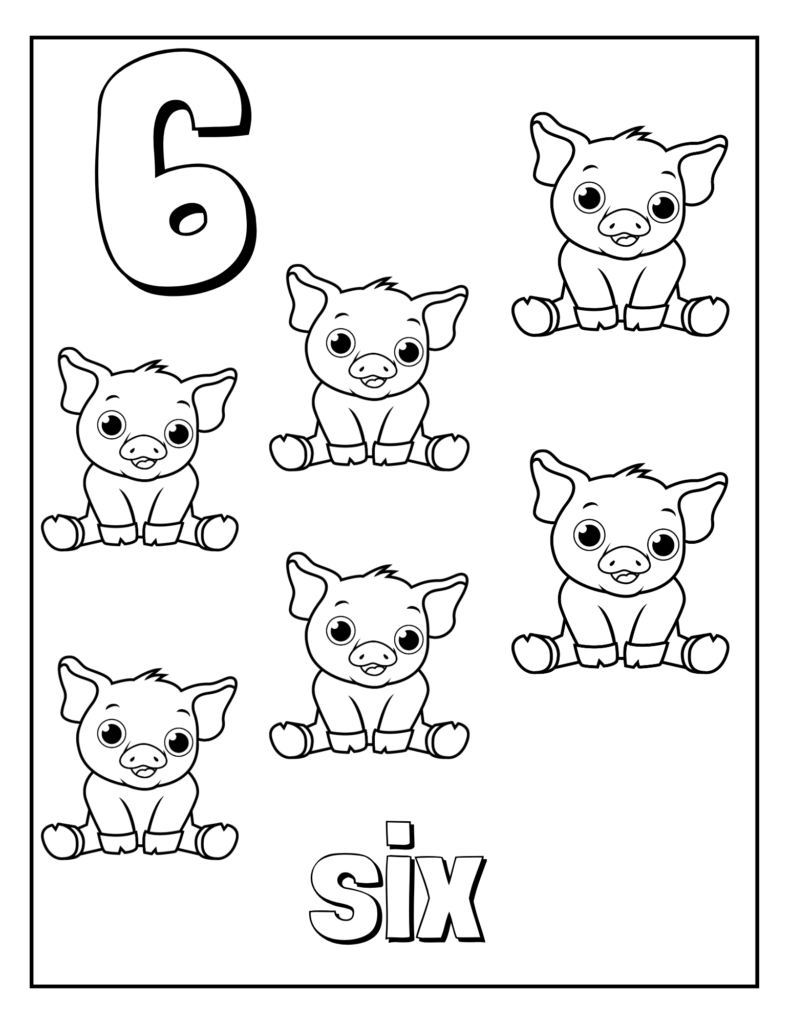
Why Teaching the Number 6 Matters
Learning numbers is an important first step in early math. Before children begin counting bigger groups, they first need to understand what numbers mean.
The number 6 is helpful to teach because it introduces the idea of six objects together. When children begin hearing and saying six while pointing to six items, they start building early number recognition and counting confidence.
These small connections help make early math feel meaningful and memorable.
The Meaning of the Number 6
The number 6 means six things.
Children can begin to understand the number 6 by seeing and hearing examples like:
six balls
six cups
six stars
six toys
six books
six spoons
six flowers
six apples
six teddy bears
six shoes
For toddlers and preschoolers, it helps to focus on just a few simple examples at first, especially objects they can see and touch easily.
Try saying the number slowly:
“Six balls.”
“Six books.”
“Six stars.”
“Six teddy bears.”
These simple number moments can help children begin understanding what the number 6 means in a fun and relaxed way.
Why Teach Number 6 Sounds Through Real-Life Play?
Young children learn best when numbers are connected to things they already know. The number 6 is a great one to teach because it shows up naturally in toys, snacks, counting games, and everyday routines.
You might naturally use the number 6 while talking about:
six toys on the floor
six books at storytime
six grapes at snack time
six crayons on the table
six blocks in a tower
six hugs before bed
When children hear the word six in playful, familiar settings, they start noticing what it means. That repetition helps the number 6 feel easier and more natural to remember.
Instead of making it feel like a formal lesson, you can keep it light by using books, conversation, crafts, and simple daily moments.
Easy Number 6 Examples for Toddlers and Preschoolers
When introducing the number 6, it helps to choose examples that are simple, visual, and easy to repeat.
Here are some easy ways to practice the number 6:
six stars
six shoes
six toys
six cups
six books
six balls
six flowers
six apples
six bears
six ducks
You do not need to teach all of these at once. Pick just a few and repeat them naturally throughout the week.
You might say:
“Here are six balls.”
“Can you hold six books?”
“I see six stars.”
“You have six teddy bears.”
Those little moments of repetition can help children hear and remember the number 6 more easily.
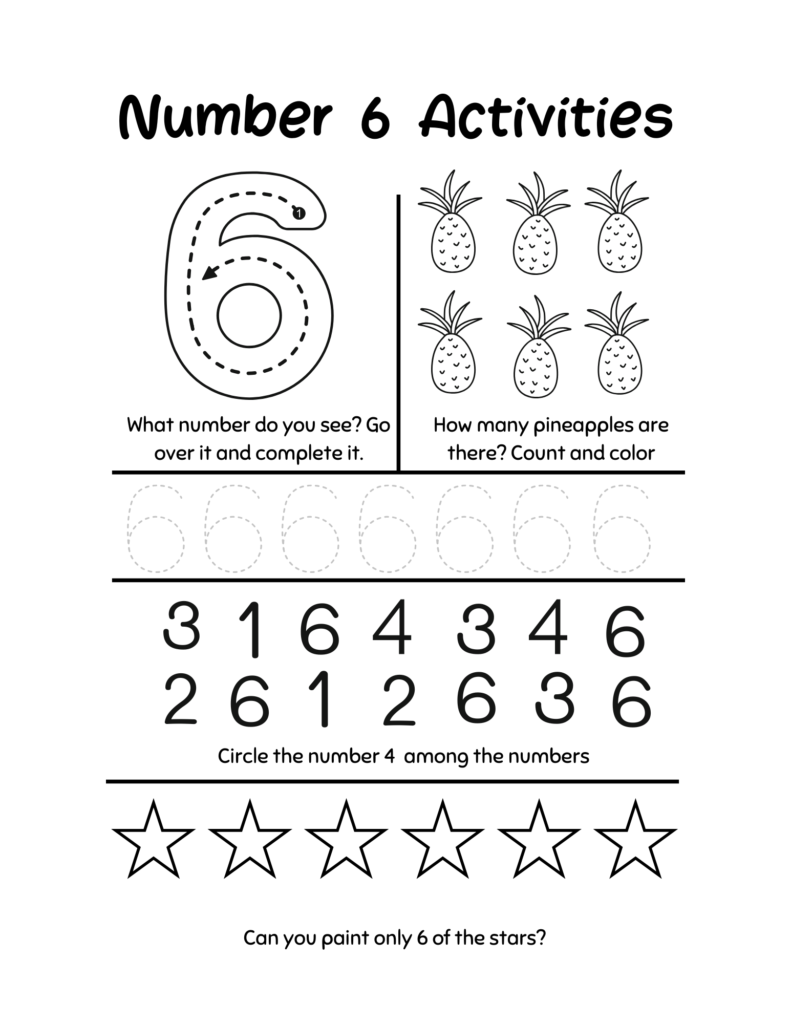
Fun Number 6 Activities for Toddlers and Preschoolers
Hands-on play is one of the best ways to help little learners remember a new number.
6 Is for Six Stickers
Give your child six stickers and say the number together.
Six Toy Basket Game
Ask your child to choose six toys and count them out loud.
Six Finger Counting
Use fingers and count to six together, helping connect numbers to movement.
Six Balloon Craft
Make a picture with six balloons and talk about the number 6.
Six Block Building
Build a tower using six blocks and count each one.
Number 6 Tracing
Practice tracing the number 6 using crayons, markers, or sensory materials.
Songs and Rhymes for the Number 6
Try this simple rhyme:
Six is fun, six is bright,
Six little stars shine at night.
Or this one:
Six little balls,
Six little bears,
Six little ducklings,
Playing everywhere.
Books That Reinforce Learning the Number 6
Reading together is a simple and meaningful way to reinforce learning the number 6.
Here are five books that can work well:
Six Dinner Sid
A fun and engaging book about a cat who has six different dinners, helping reinforce the number 6 in a playful way.
Pete the Cat and His Six Groovy Buttons
A catchy and fun book that uses repetition to help children learn the number 6.
Bear Counts
A simple counting book that includes numbers up to 10, helping reinforce number recognition.
The Very Hungry Caterpillar
A classic storybook that includes counting elements and number progression.
Over in the Meadow
A rhythmic counting book that introduces numbers in a gentle, musical way while helping children notice groups of animals, including six.
FAQ: Teaching Number 6 Sounds
How do I teach my child to say the number 6?
Repeat the word six often through play, books, and daily routines.
What does the number 6 mean?
It means six objects together.
What are easy ways to teach number 6?
Use toys, snacks, counting games, and tracing activities.
Is number 6 hard to learn?
No, with repetition and play, children can learn it naturally.
Final Thoughts on Teaching Number 6 Sounds
Teaching kids to say the number 6 can be simple, playful, and full of meaningful little moments. From six toys and six books to six stars and six balloons, there are many fun ways to help toddlers and preschoolers connect with the number 6 in everyday life.
Keep it light, keep it fun, and let learning happen naturally through the little moments you already share each day.
If you like this post, make sure to check out teaching number 1 sounds here!