Letter J Sounds: Fun Ways to Teach Preschoolers Phonics and Early Reading Skills
The letter ‘J’ emerged from the depths of the Latin alphabet, originally as a variation of ‘I’. It carved its Letter J Sounds and What Preschoolers Need to Know
The letter J usually makes the /j/ sound, like the beginning sound in words such as:
- Jump
- Jelly
- Juice
- Jacket
- Jar
- Jungle
- Jeep
When children say the J sound, they are combining two sounds together to create the familiar sound heard in these words. Preschoolers do not need to know complex phonics terms, but they do need plenty of opportunities to hear, repeat, and recognize the sound.
A simple way to practice is by stretching out the beginning sound:
“J-j-jump”
“J-j-jelly”
“J-j-juice”
This helps children notice that different words can begin with the same sound.
How to Teach Letter J Sounds to Young Learners
Young children learn best when they can explore sounds through play. Instead of only showing a letter card and asking children to repeat the sound, try adding movement, pictures, crafts, and everyday objects into learning time.
Start by introducing both forms of the letter:
Uppercase: J
Lowercase: j
Talk about how the letter looks, what sound it makes, and what words begin with that sound.
Children can practice by:
- Tracing the letter J with their finger
- Finding the letter J in books
- Looking for J words around the house
- Saying words that begin with J
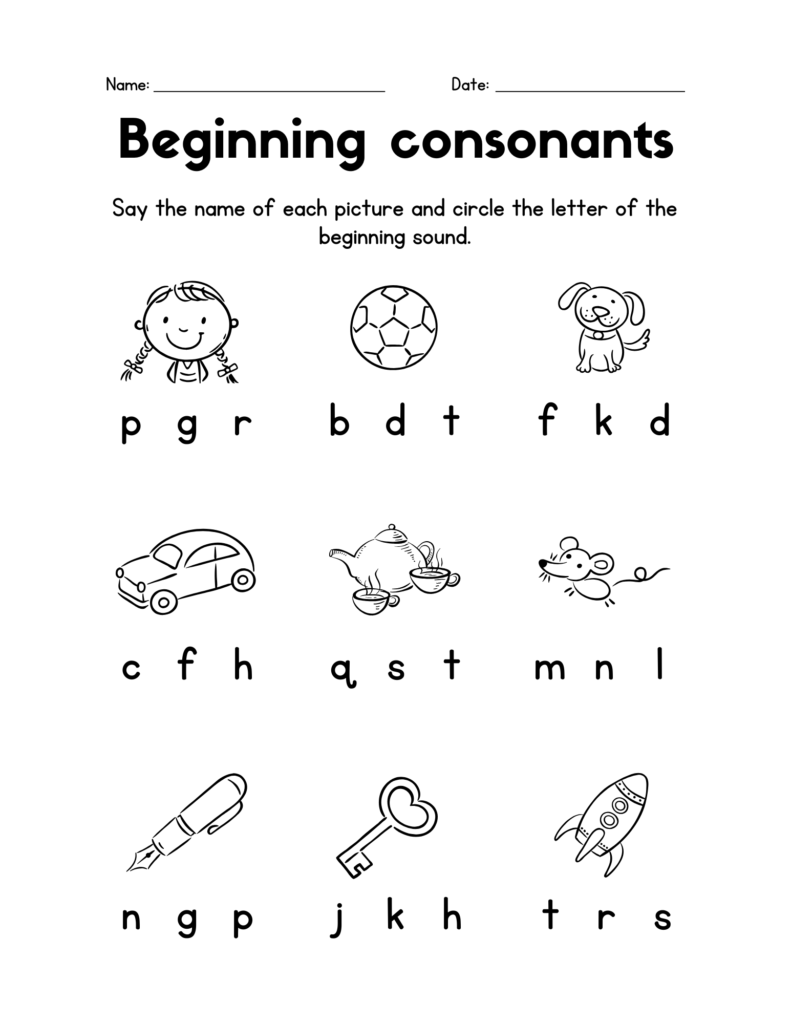
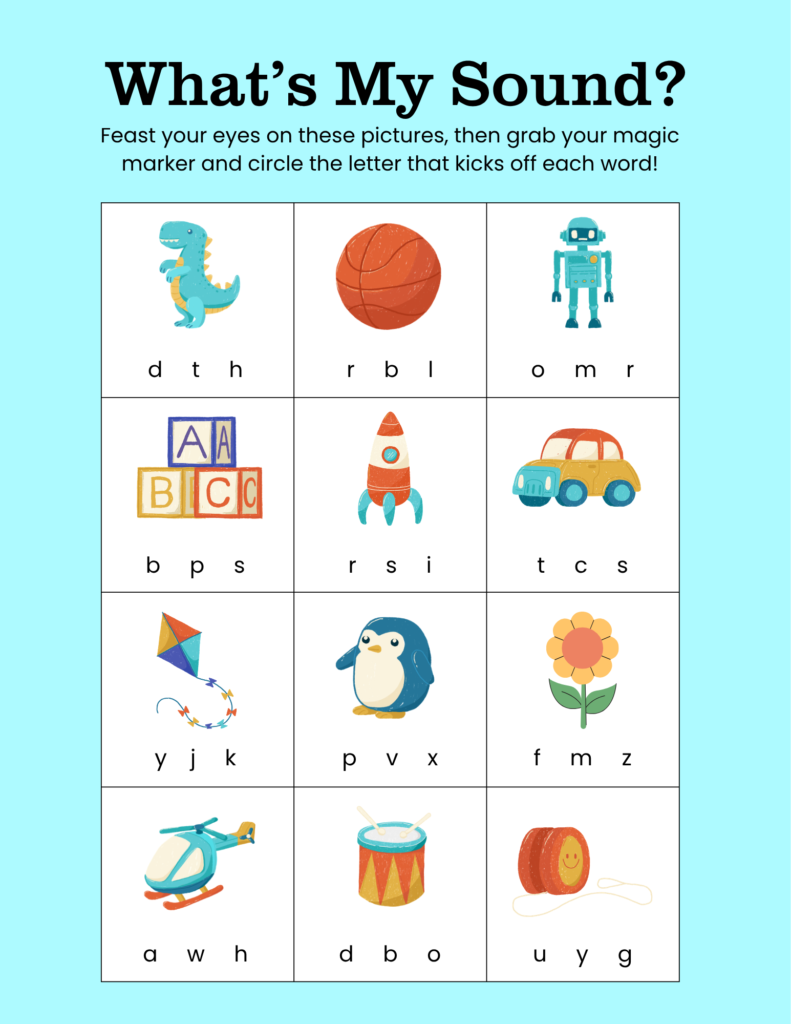
- Matching pictures to the letter sound
Short, repeated practice sessions help children remember new sounds more easily.
Activities to Reinforce Learning the Letter ‘J’ for Young Minds
I have found that understanding the letter ‘J’ and its sounds forms a cornerstone in the early education of English language learning. This is especially crucial for toddlers, including those in a home schooling setup. Engaging in pronunciation exercises can significantly enhance their phonological awareness. For parents guiding their 3-year-olds, introducing fun activities around the ‘J’ sound could pave the way for successful language acquisition and literacy development.
Consider crafting a daily ‘J’ hunt. This encourages little ones to spot items starting with ‘J’, fostering their phonics and verbal skills. Next, create ‘J’ sound jars. Fill them with objects like jewels or jacks, enhancing both their phonological awareness and naming skills. Lastly, playing ‘Jumping Js’ could be highly entertaining. Each time a ‘J’ word is said, everyone jumps. This activity links physical movement to learning, benefiting speech development and early reading skills.
Through these engaging practices, toddlers will not only grasp the ‘J’ sound but also embark on a journey towards diction improvement. By recognizing consonant sounds and mastering vocal training from a tender age, we set the foundation for their linguistic skills. Such targeted exercises prove indispensable for both ESL learners and native speakers, ultimately contributing to their holistic speech development and literacy.
Why Letter J Sounds Matter for Early Reading Skills
Learning letter sounds is an important part of phonemic awareness, which is the ability to hear and identify sounds in spoken words. This skill helps children understand how words are formed and prepares them for reading.
Practicing the letter J sound supports:
- Recognizing beginning sounds
- Building vocabulary
- Improving listening skills
- Developing speech skills
- Preparing for reading and writing
When children understand that letters and sounds work together, they gain confidence as they begin learning to read.
Fun Activities to Practice Letter J Sounds
The best phonics activities for preschoolers are often the ones that feel like play. These simple activities can be used at home, in a classroom, or during homeschool lessons.
Letter J Sound Hunt
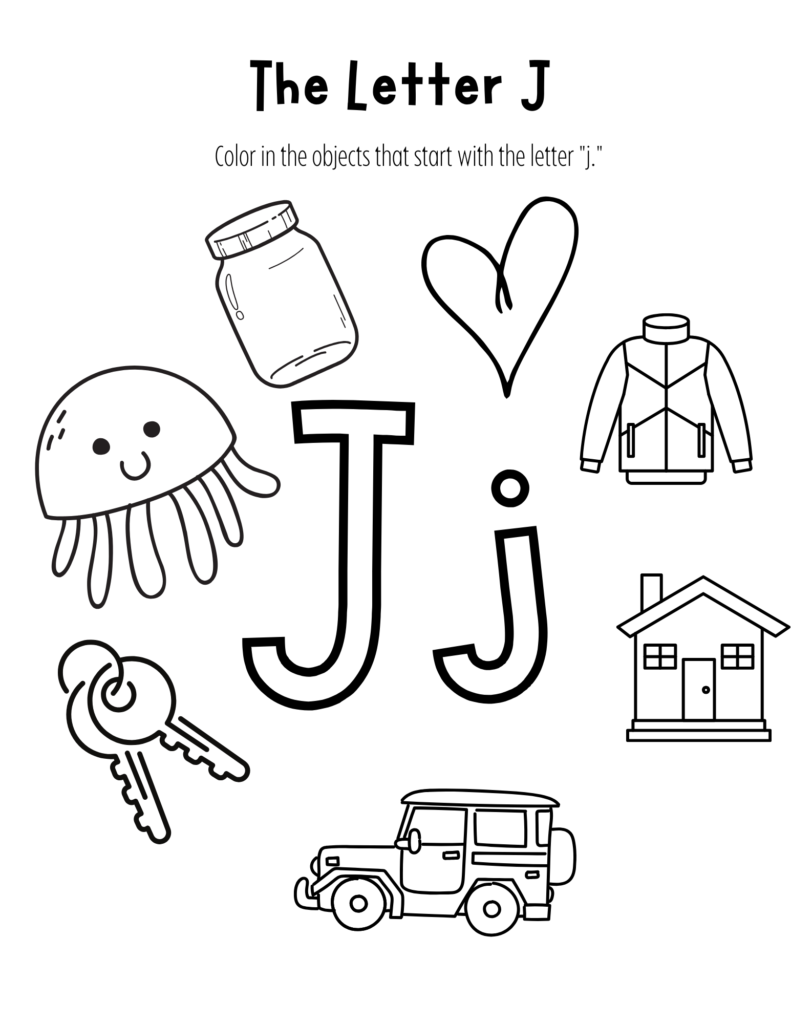
Create a fun search activity where children look for objects or pictures that begin with J.
Some ideas include:
- A jar
- Jewelry
- A jacket
- A toy jeep
- Juice
- Jungle animal pictures
As children find each item, encourage them to say the word and repeat the beginning sound.
“Juice starts with J. J-j-juice!”
This helps strengthen sound recognition while building vocabulary.
Create a Letter J Collage
Give children a large letter J and let them decorate it with pictures or drawings of words that begin with the J sound.
Children can add:
- Jellyfish
- Jaguars
- Jackets
- Jars
- Jewels
This activity combines phonics practice with creativity and fine motor development.
Jump for J Words
Add movement to phonics practice with a simple jumping game.
Say different words aloud. If the word begins with J, children jump.
Examples:
Jump — jump
Juice — jump
Apple — stay still
Dog — stay still
Jelly — jump
This activity helps children connect listening skills with physical movement.
Using Picture Words to Reinforce Letter J Sounds
Pictures are a powerful learning tool for preschoolers because they help children connect sounds with objects they recognize.
Create picture cards featuring words that begin with J, including:
- Jellyfish
- Jack-o-lantern
- Juice box
- Jeans
- Jigsaw puzzle
- Jaguar
Ask children:
“What is this picture?”
“What sound does it start with?”
“Can you say the word slowly?”
Picture activities help children develop stronger connections between sounds, letters, and words.
Hands-On Letter J Sound Activities for Preschoolers
Hands-on learning gives children the chance to practice while keeping their attention engaged.
Some additional ideas include:
Letter J Tracing Practice
Tracing activities help children develop the fine motor skills needed for writing. Children can practice tracing uppercase and lowercase J while saying the sound aloud.
Build a J Word Basket
Fill a basket with objects or pictures that start with J. Children can take turns choosing an item, naming it, and identifying the beginning sound.
Letter J Sorting Activity
Provide a mix of pictures. Children sort them into two groups:
- Words that begin with J
- Words that do not begin with J
Sorting activities encourage children to listen carefully and compare sounds.
Common Challenges When Learning the Letter J Sound
Every child learns letter sounds at their own pace. Some preschoolers may recognize the letter but have trouble remembering the sound, while others may hear the sound but struggle to connect it with the correct letter.
Children may need extra practice with:
- Remembering the shape of J
- Hearing the difference between similar sounds
- Saying the sound clearly
- Connecting letters to words
The best approach is patience, encouragement, and plenty of repetition through fun activities.
Books and Reading Practice to Support Letter J Sounds
Reading together is one of the easiest ways to strengthen phonics skills. While reading, encourage children to listen for words that begin with J.
Ask questions such as:
“Can you find a word that starts with J?”
“What sound do you hear at the beginning of this word?”
“Can you spot the letter J on this page?”
Books, songs, and rhymes help children hear sounds in different ways while expanding their vocabulary.
Final Thoughts on Teaching Letter J Sounds
Helping preschoolers learn letter j sounds does not have to feel like a formal lesson. Through games, movement, crafts, and everyday conversations, children can practice hearing and recognizing the /j/ sound in meaningful ways.
Each letter sound children learn brings them one step closer to becoming confident readers. With consistent practice and encouragement, the letter J can become another exciting milestone in their early literacy journey.
Frequently Asked Questions About Letter J Sounds
What sound does the letter J make?
The letter J usually makes the /j/ sound, as heard in words like jump, jelly, jar, and juice.
What are some easy J words for preschoolers?
Simple J words for young learners include jump, jam, jar, juice, jelly, jacket, jeep, and jungle.
How can I help my child learn the letter J sound?
Use playful activities such as letter hunts, tracing practice, picture matching, songs, and reading activities that focus on J words.
When should children learn letter sounds?
Many children begin learning letter sounds during preschool and continue developing phonics skills throughout kindergarten and early elementary years.
Why are letter sounds important for reading?
Letter sounds help children understand how words are built. This phonics foundation supports reading, spelling, and writing development.
Books to Help Teach Letter J Sounds
1. My First Bob Books: Alphabet — Phonics, Letter Sounds, Ages 3+
My First Bob Books: Alphabet
This is a great choice for preschoolers because it introduces letters and sounds through simple stories. Children can practice connecting letters with the sounds they hear while building early reading confidence.
2. Teach Me to Read: A Parent Guided Student Workbook for Kids to Learn to Read Using Phonics, Decodables and the Science of Reading (Video Tutorials Included)
This parent-guided workbook helps young learners build strong reading foundations through phonics, decodable stories, letter sounds, and early literacy practice. With step-by-step lessons, children practice connecting letters to sounds, blending words, and developing confidence as beginning readers. The included video tutorials provide extra support for parents looking for a simple, structured way to teach reading skills at home.
3. Jump!: The Sound of j
Jump!: The Sound of j
This book uses repetition of the letter J sound to help children hear and recognize the sound in words. The simple text and repeated practice make it a good choice for beginning readers.
4. J Is for Jelly
J Is for Jelly
This is a simple letter-focused reader featuring pictures and words that begin with J. It works well for preschoolers who are still building vocabulary and practicing beginning sounds.
5. I See J
I See J
This book combines labeled pictures with simple sentences featuring J words, helping children connect the letter, sound, and vocabulary together.
Why These Books Help With Letter J Sounds
Reading books focused on letter sounds gives children extra opportunities to hear the /j/ sound in different words. Combining read-aloud practice with tracing, letter hunts, and phonics games helps reinforce what children are learning and makes letter recognition more meaningful.
If you like this post, make sure to check out our teaching letter d sounds post here!