Young Foodies: Merging Cooking with Science Lessons
Young foodies discover that the kitchen is more than just a place to make meals—it’s a hands-on learning space where science comes to life. When you combine simple recipes with curiosity and exploration, children can see how ingredients change, mix, grow, and react right in front of them.
First graders learn best through doing, and cooking creates the perfect opportunity for discovery, problem-solving, and real-world learning. With just a few simple activities, you can turn everyday kitchen moments into exciting science lessons your child will love exploring.
Why Cooking Is Perfect for Teaching Science
Cooking gives kids the chance to experience science instead of just hearing about it. Every time they pour, stir, or watch something bake, they’re learning how the world works.
As your child cooks, they begin to:
• Notice changes in texture and temperature
• Observe how ingredients combine
• Make predictions about what will happen next
• Ask questions and explore new ideas
This kind of learning builds confidence and helps science feel fun instead of overwhelming.

What Science Skills Are Kids Learning?
Cooking introduces several areas of science in a simple and natural way.
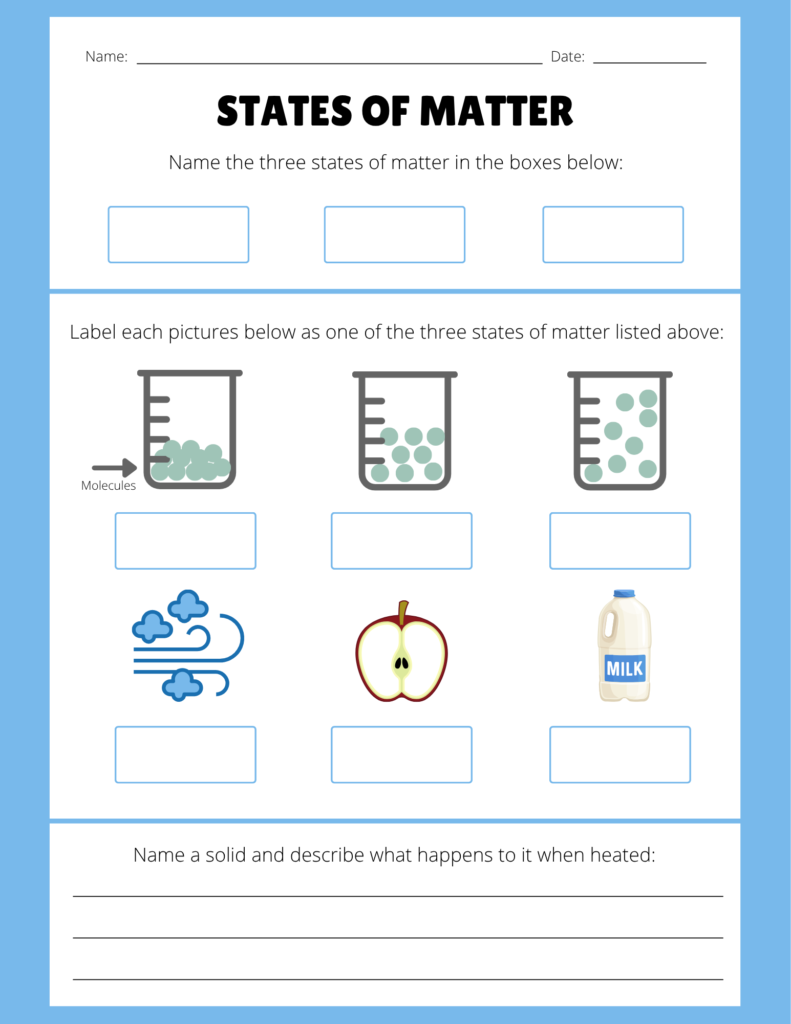
Physical science comes into play when kids see how heat melts, freezes, or changes ingredients. They begin to understand how matter can change from one form to another.
Life science shows up when they learn where food comes from or how ingredients like yeast help bread rise. These small moments introduce big ideas about living things and processes.
Earth science can even be included when you talk about layers, temperature, and natural changes. Simple recipes can turn into easy visual examples your child understands.
Young Foodies: Easy Cooking Activities to Try at Home
You don’t need complicated recipes to make this work. Simple activities for young foodies are often the most effective.
Making a parfait is a great way to show layers. As your child stacks yogurt, fruit, and granola, you can talk about how each layer stays separate and why.
Baking bread or rolls is perfect for observing change over time. Kids can watch dough rise and see how heat transforms it in the oven.
Freezing water and letting it melt again is a simple way to introduce states of matter. It’s easy, quick, and very visual for young learners.
Even something as simple as mixing ingredients together can spark questions and learning.
These simple activities become even more meaningful when you encourage your child to slow down, observe what is happening, and think like a scientist.
As you cook together, encourage your child to think like a scientist by asking questions such as:
• What do you think will happen next?
• Why do you think it changed?
• What do you notice about the ingredients?
• How do you think we could test that idea?
Give your child time to make predictions, share their thoughts, and learn through discovery. The best science lessons often happen when kids are curious, hands-on, and excited to find out what happens next.

Tips for Making Cooking a Fun Learning Experience
The goal isn’t to create the perfect recipe—it’s to create a moment where your child can explore, participate, and discover something new. Let your young foodie help with measuring, mixing, pouring, and observing, even if the kitchen gets a little messy along the way.
Repeat favorite activities so your child has more chances to notice changes and build confidence. Encourage questions, curiosity, and creative thinking, even when you don’t have every answer.
Most importantly, keep the experience relaxed and enjoyable. When children feel comfortable exploring, making mistakes, and trying new things, they develop a stronger curiosity and a love for learning that lasts.
FAQ: Teaching Science Through Cooking at Home
What age is best to start cooking with kids for learning?
Most children can begin helping in the kitchen as early as preschool, but first grade is a great time to start connecting cooking with science concepts.
Do I need special materials or supplies?
No, you can use everyday kitchen tools and ingredients you already have at home.
How long should these activities take?
Short sessions work best. Even 15 to 30 minutes can be enough to create a meaningful learning experience.
What if my child loses interest quickly?
Keep activities simple, hands-on, and fun. Let them take the lead when possible and choose recipes they’re excited about.
Is this really teaching science?
Yes, cooking naturally includes chemistry, physics, and biology. Your child is learning through real-life experiences, which helps the concepts stick.
Young Foodies: Keep Exploring Beyond the Kitchen
The best science discoveries don’t have to stop when the recipe is finished. Every cooking experience can lead to more questions, more conversations, and more opportunities for your child to explore how the world works.
Encourage your young foodie to keep investigating by talking about what they noticed, comparing how ingredients changed, and making predictions about what might happen next. A simple baking project can turn into a conversation about ingredients, a mixing activity can lead to questions about changes in matter, and a new recipe can inspire curiosity about where food comes from.
The kitchen is just the beginning. By combining hands-on cooking experiences with books, experiments, and everyday discoveries, you can help your child build a stronger understanding of science while keeping learning fun and engaging.
Books That Reinforce Learning Through Cooking and Science
Here are some great books that pair perfectly with this topic and help reinforce what your child is learning:
📚 1. The Complete Cookbook for Young Scientists
This book is a perfect match for this article because it combines recipes with experiments and explains the science behind cooking. Kids get to explore why ingredients change, how heat works, and what makes recipes succeed.
📚 2. Kitchen Science Lab for Kids: 52 Family Friendly Experiments
This book turns the kitchen into a science lab with hands-on activities using everyday ingredients. It is great for introducing chemistry, physics, and biology concepts in a way kids can see and touch.
📚 3. Kate the Chemist: The Awesome Book of Edible Experiments for Kids
This science experiment book is a fun choice for kids who love experiments. It combines food with chemistry through edible activities that make science feel like magic happening right in the kitchen.
📚 4. Science You Can Eat
This book is a great fit for curious kids because it explores the science behind everyday foods and cooking. It helps children understand what is happening when they mix, bake, heat, and eat.
📚 5. My First Cookbook
For younger learners, this is a wonderful beginner-friendly option. It encourages kids to participate in cooking while building confidence with kitchen skills and learning through hands-on experiences.
These books make learning even more engaging and give your child new ways to explore science through food.