Teaching Number 10 Sounds
Teaching number 10 sounds can be such a fun and exciting part of your homeschool day. As your child reaches the number 10, they’re stepping into a bigger milestone in early math, where counting begins to feel more complete and meaningful. From ten fingers and ten toes to ten crayons and ten cookies, the number 10 gives children plenty of opportunities to hear, say, and explore early number concepts in everyday life.
Teaching number 10 sounds can also be a natural part of everyday routines, helping little learners hear and repeat the word “ten” through simple moments like counting fingers, sharing snacks, or lining up toys. By using repetition in a relaxed and playful way, children begin to recognize what ten means and feel more confident saying it on their own.
Learning the number 10 can feel natural when it is tied to simple routines, hands-on play, and objects children already know. With a mix of fun books, easy crafts, and real-life practice, toddlers and preschoolers can begin building confidence with the number 10 in a gentle and meaningful way.
Teaching kids to say the number 10 can be simple, playful, and full of real-life learning moments. The number 10 shows up everywhere, making it a perfect next step for little learners.
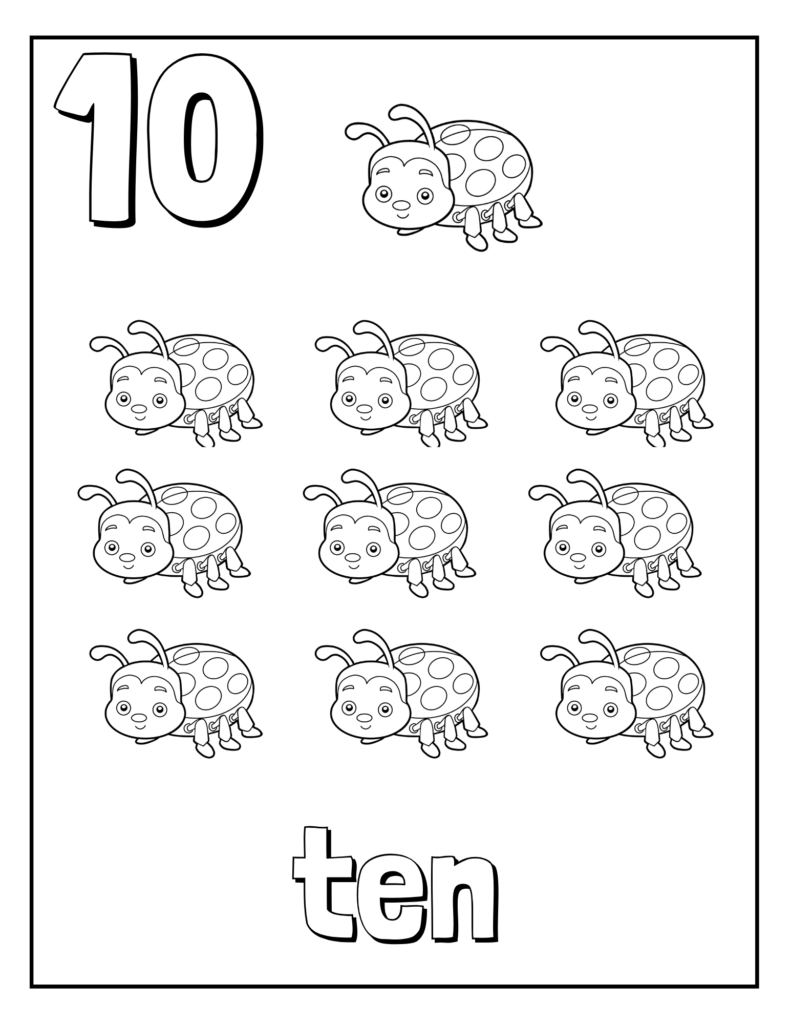
Why Teaching the Number 10 Matters
Learning numbers is an important first step in early math. Before children begin working with larger numbers, they need to understand what numbers represent.
The number 10 is especially important because it introduces the idea of a full group of ten. It helps children begin recognizing patterns, counting more confidently, and preparing for early addition later on.
When children hear and say “ten” while pointing to ten items, they begin to build strong number recognition and counting skills.
The Meaning of the Number 10
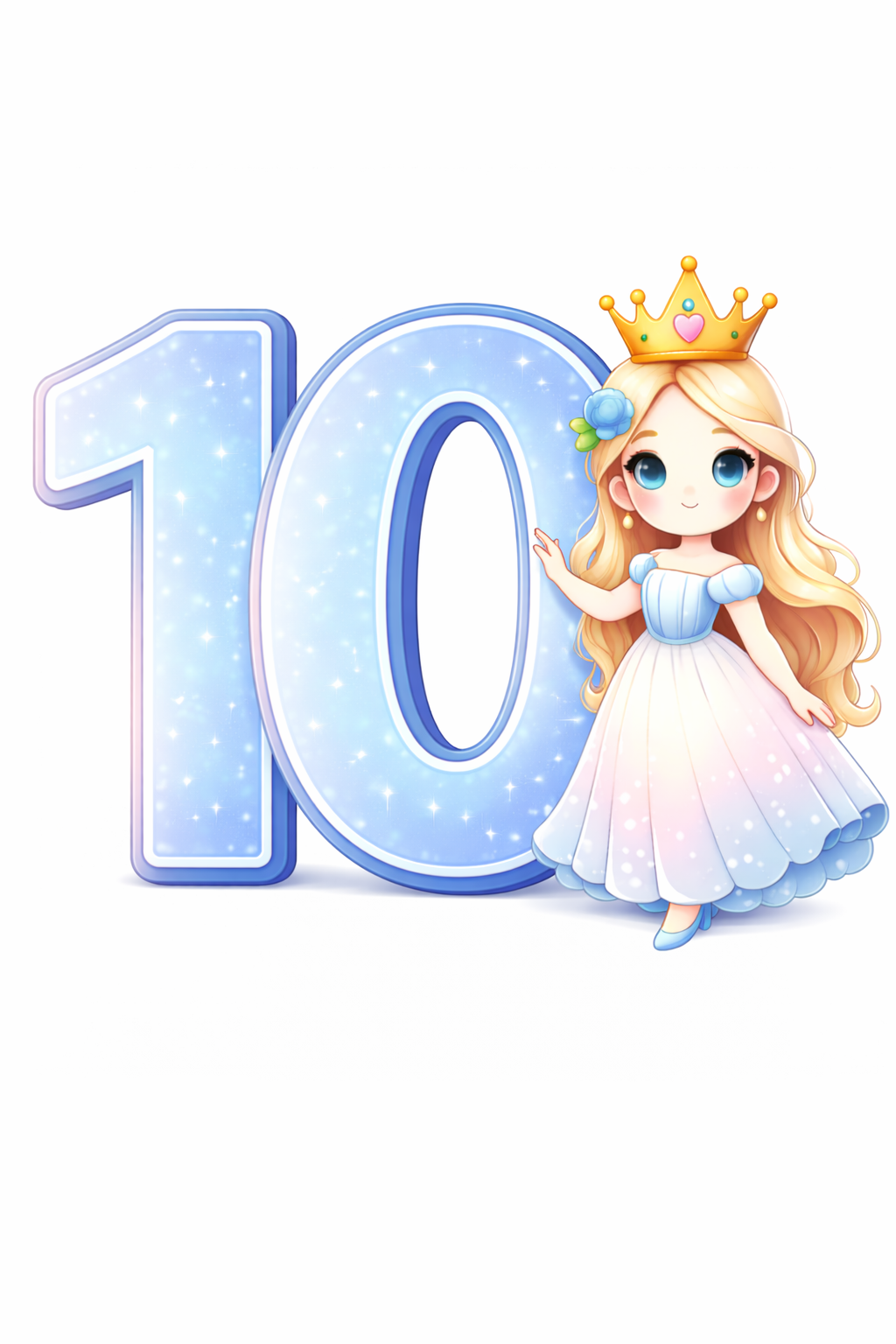
The number 10 means ten things.
Children can begin to understand the number 10 by seeing and hearing examples like:
ten fingers
ten toes
ten blocks
ten crayons
ten cookies
ten flowers
ten apples
ten cars
ten buttons
ten stickers
Start simple and use objects your child can see and touch.
Try saying:
“Ten fingers.”
“Ten toes.”
“Ten cookies.”
“Ten blocks.”
These small, repeated moments help the number 10 stick in a natural and playful way.
Teaching Number 10 Sounds Through Real-Life Play
Young children learn best when numbers are connected to everyday life. The number 10 is perfect for this because it shows up naturally throughout the day.
You might use the number 10 while talking about:
ten fingers and toes
ten grapes at snack time
ten toys to clean up
ten steps to the door
ten crayons in a box
ten hugs before bed
When children hear “ten” in familiar settings, they begin to understand what it means without it feeling like a lesson.
Easy Number 10 Examples for Toddlers and Preschoolers
Here are simple ways to practice the number 10:
ten fingers
ten toes
ten blocks
ten toys
ten cookies
ten stars
ten flowers
ten cars
ten bears
ten balloons
You don’t need to use all of them—just pick a few and repeat them throughout the week.
You might say:
“Let’s count ten fingers.”
“I see ten stars.”
“You have ten crayons.”
Those little repetitions make a big difference over time.
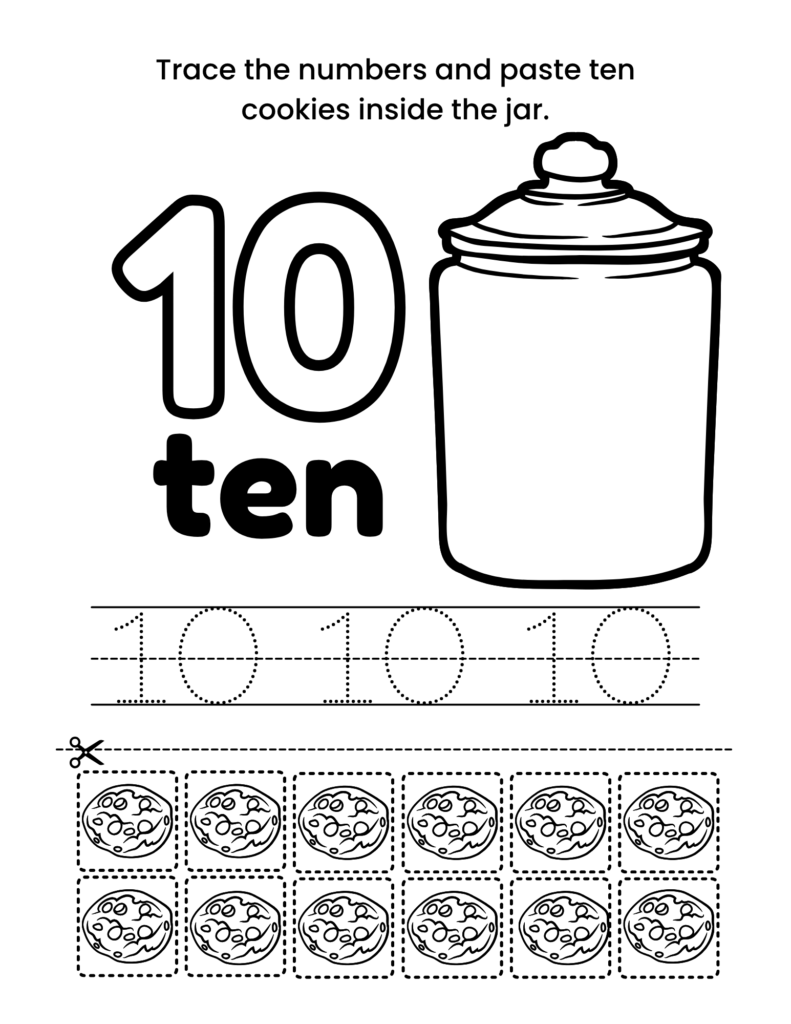
Fun Number 10 Activities for Toddlers and Preschoolers
10 Finger Counting Game
A fun and simple counting book – Count all ten fingers together and wiggle them as you go.
Ten Toy Clean-Up Game
Ask your child to pick up ten toys and count them.
Ten Sticker Fun
Give your child ten stickers to place on paper while counting.
Ten Block Tower
Stack ten blocks and count each one slowly.
Ten Balloon Drawing
Draw or decorate ten balloons on paper.
Number 10 Tracing
Practice tracing the number 10 using crayons or sensory materials like sand.
Songs and Rhymes for the Number 10
Ten little fingers, ten little toes,
Count them all wherever you go.
Ten bright stars up in the sky,
Let’s count them slowly, you and I.
Books That Reinforce Learning the Number 10
Ten Little Fingers by Christine Adams
A simple and engaging counting book that helps little learners connect the number 10 to something they already know—fingers—making it perfect for early number recognition.
Ten Little Ladybugs by Melanie Gerth
A fun counting book with interactive elements as ladybugs disappear one by one.
Ten Friendly Fireflies: A Light-up Counting Book by Roseanne Thong and Amy Schimler
A playful counting book that helps little learners practice counting while enjoying bright and engaging firefly fun.
Ten Little Fish by Audrey Wood
A colorful and playful counting book that introduces numbers through ocean life.
Ten Little Caterpillars by Bill Martin Jr.
A nature-based counting book that follows caterpillars through their day.
FAQ: Teaching Number 10 Sounds
How do I teach my child to say the number 10?
Use repetition through books, songs, and everyday routines.
What does the number 10 mean for preschoolers?
It means ten objects together and helps build early counting confidence.
What are simple ways to teach the number 10?
Count fingers, use toys, read books, and practice tracing.
Is the number 10 harder to learn?
Not when it’s taught through play and real-life examples.
Do I need worksheets?
No, play-based learning works best, with printables as a helpful extra.
Final Thoughts on Teaching Number 10 Sounds
Teaching kids to say the number 10 can be simple, playful, and full of meaningful everyday moments. From ten fingers and ten toys to ten stars and ten cookies, there are so many fun ways to help toddlers and preschoolers connect with the number 10.
By using books, hands-on activities, easy examples, and playful repetition, you can help your child feel confident with the number 10 without making learning feel overwhelming.
Keep it light, keep it fun, and let learning happen naturally through the little moments you already share each day.
If you like this post, make sure to check out, teaching letter A sounds here!