Pre-Writing Skills for Kids
Before children begin writing letters, names, and simple words, they first build the little skills that help writing feel easier and more natural. These are called pre-writing skills, and they include things like hand strength, finger control, hand-eye coordination, tracing, coloring, drawing lines, making shapes, and learning how to move a crayon or pencil with purpose. For young learners, pre-writing may look like scribbling with crayons, coloring a big picture, squeezing playdough, placing stickers, tracing a path, or drawing circles on paper. These simple activities may feel like play, but they are helping children get ready for handwriting in a gentle, confidence-building way.
What Are Pre-Writing Skills?
Pre-writing skills are the early movements and abilities children build before they begin forming letters. These skills help children learn how to use their hands, fingers, wrists, and eyes together as they make marks on paper. When a child scribbles with a crayon, colors a simple picture, traces a path, draws a circle, or makes lines across the page, they are practicing many of the same movements they will later use for handwriting.
These early skills also help children understand that marks can have meaning. A scribble may become a pretend grocery list. A circle may become the sun. A line may become a road. A few little marks on a page may become “a note” to mom, dad, grandma, or a favorite stuffed animal. This is one of the sweetest parts of early writing because children begin to see that writing is not just about making letters. It is also about sharing ideas, telling stories, labeling pictures, and communicating with others.
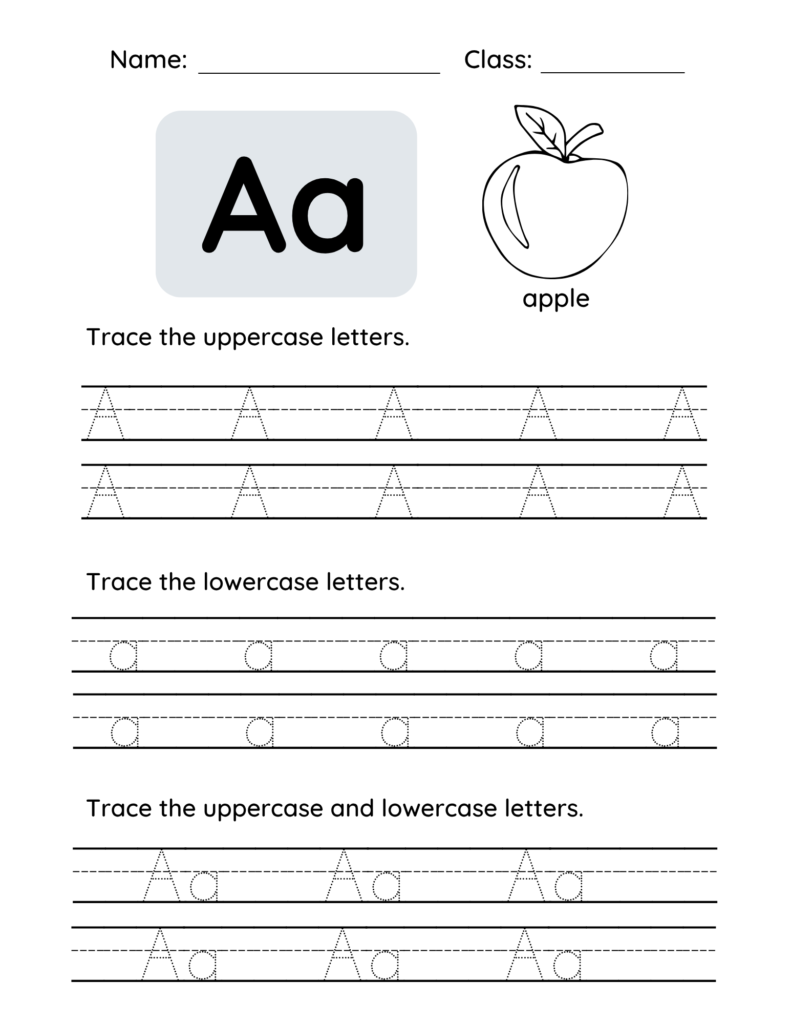
Pre-writing practice gives children time to build strength, coordination, and confidence before moving into more focused handwriting activities. Before a child can write their name, trace letters, or copy simple words, they benefit from playful practice with lines, curves, shapes, coloring, cutting, sticking, squeezing, and drawing. These activities help little hands grow stronger and help children feel more comfortable using crayons, markers, chalk, and pencils with purpose. Pre writing worksheets like these are great!
Pre-Writing Skills in Preschool
Preschool is such an important season for building early writing skills, even before children are writing letters or words on paper.
At this age, writing practice often looks like play. Children are stacking blocks, squeezing playdough, peeling stickers, finger painting, coloring with crayons, building puzzles, cutting paper, and drawing little lines and circles across a page. These simple activities help strengthen the hands, fingers, wrists, eyes, and coordination children will later use for handwriting.
Before a child can manage a pencil, copy letters, write their name, or place words neatly on a page, they need time to build the skills underneath handwriting. They need hand strength, finger control, visual tracking, hand-eye coordination, and practice making purposeful movements. Preschool activities give children so many natural ways to build those skills through play.
This is why pre-writing skills are such a valuable part of preschool learning. Those little scribbles, colorful pictures, wobbly lines, and hands-on activities are helping children prepare for the next steps in writing. As they play, create, trace, color, and draw, they are building the foundation for letter formation, name writing, and early handwriting confidence.
The Skills Children Need Before Handwriting
Handwriting is made up of several smaller skills working together.
When we think about teaching children to write, it is easy to picture a child holding a pencil and forming letters on a page. But before that happens, children are building many important early skills through play, movement, coloring, tracing, and hands-on activities.
Pre-writing skills help children get ready to control a crayon or pencil, follow lines with their eyes, make shapes, and eventually form letters and numbers. These skills give children the foundation they need before handwriting becomes more focused.
Some of the main skill areas that support handwriting include:
- sensory motor skills
- fine motor skills
- visual-motor skills
Each one plays an important role in helping children feel more confident with early writing activities. We will focus on each section in future blog posts.
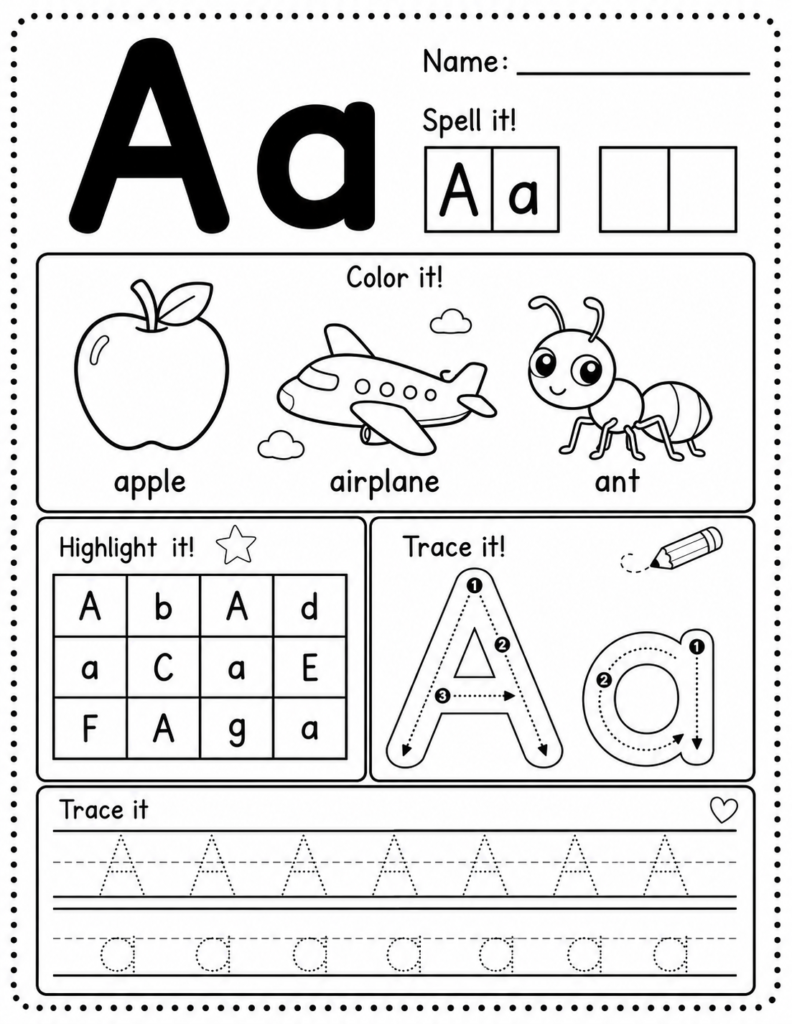
We will explore sensory motor skills, fine motor skills, and visual-motor skills in future blog posts, but for now, it helps to understand that all three work together to support early writing.
Here’s a FAQ section for the Pre-Writing Skills for Kids blog post. 🌸✏️
Frequently Asked Questions About Pre-Writing Skills
What are pre-writing skills?
Pre-writing skills are the early skills children build before they begin handwriting. These include hand strength, finger control, hand-eye coordination, visual tracking, pencil or crayon control, and the ability to make basic lines and shapes. These skills help children get ready to write letters, numbers, names, and simple words.
What age should kids start pre-writing activities?
Many children begin exploring pre-writing skills during the toddler and preschool years. Around ages 2 to 3, children may scribble and explore crayons. Around ages 3 to 4, they may begin drawing lines, circles, and simple shapes. Around ages 4 to 5, many children are ready for tracing paths, shapes, and beginning letter practice.
Is coloring a pre-writing skill?
Yes, coloring can support pre-writing development. When children color, they practice holding a crayon, moving their hand with control, using their eyes and hands together, and building finger and wrist strength. Coloring is a simple and playful way to help children prepare for handwriting.
Why are pre-writing skills important?
Pre-writing skills help children build the foundation they need for handwriting. Before children can form letters, they need to control their hands, follow lines with their eyes, make basic strokes, and feel comfortable using crayons, markers, chalk, or pencils. These skills make early writing feel more natural and confidence-building.
What are examples of pre-writing activities?
Simple pre-writing activities include scribbling, coloring, tracing lines, drawing circles, completing simple mazes, playing with playdough, using stickers, cutting paper, lacing cards, building with blocks, and tracing shapes in sand or rice.
Should kids use crayons or pencils first?
Many young children enjoy starting with crayons, markers, or chalk because they are colorful and easy to explore. Crayons can help children build grip, control, and confidence. As children become more comfortable making lines and shapes, pencils can be added for tracing, name writing, and letter practice.
How do pre-writing skills lead to handwriting?
Pre-writing skills help children move from simple marks to more controlled writing. Scribbling builds comfort with writing tools. Coloring builds hand strength. Tracing builds control and direction. Lines and shapes prepare children for letter strokes. Over time, these skills support letter formation, name writing, and early handwriting.
How can I help my child with pre-writing skills at home?
You can help by offering simple, playful activities like coloring, drawing, playdough, stickers, tracing paths, cutting practice, sidewalk chalk, and simple mazes. Short, cheerful activities work well for young learners and can easily fit into your homeschool day or everyday routine.
5 Books for Pre-Writing Skills Practice
1. My First School Book by Learning Without Tears
This workbook here is a strong pick for preschool and pre-K because it focuses on readiness skills, pre-writing, colors, shapes, numbers, and early letter formation. Learning Without Tears describes its Pre-K Readiness & Writing program as hands-on and play-based, with activities that support fine motor development and kindergarten readiness.
2. Trace the Word: Feelings: A Handwriting and Tracing Workbook
Children trace and write simple emotion words while practicing early handwriting skills and becoming more familiar with feelings like happy, sad, calm, excited, worried, and more.
3. My First Space Learn-to-Write Workbook: Letter Tracing, Pen Control, Space Words, and Fun Coloring Activities for Kids.
This kind of workbook works well once a child is ready to move from pre-writing strokes into letter tracing. Children practice letter tracing, pen control, and early writing skills with a fun space theme that includes space words, simple handwriting practice, and coloring activities.
4. My First Preschool Pre-Handwriting Workbook: Practice Pre-Writing Skills, Pen Control, and Tracing Letters! (My First Preschool Skills Workbooks)
With this workbook, children practice pre-writing skills, pen control, tracing lines, and beginning letter tracing through simple activities designed to help preschoolers get ready for handwriting.
5. Pre-Writing Skills Workbook For Kids. Tracing Lines, Shapes And Animals: Pre Handwriting Practice For Kindergarten, Trace With Animals
This workbook allows children practice tracing lines, shapes, and simple animal-themed paths while building early pen control, hand-eye coordination, and pre-writing confidence.
Pre-writing skills give children the gentle foundation they need before they begin forming letters, writing their names, and practicing early handwriting. Through simple activities like coloring, tracing, cutting, squeezing playdough, drawing shapes, and following playful paths on paper, children build hand strength, finger control, hand-eye coordination, and confidence with writing tools. These early moments may look small, but they are helping your child grow into a more confident writer one little line, scribble, shape, and crayon mark at a time.
If you like this blog post, make sure to check out our free tracing worksheets blog post here!

